Uncategorized
Understanding Gamma-Butyrolactone Solvent: A Guide for Businesses
Introduction
Businesses researching industrial chemicals need reliable information about gamma-butyrolactone, chemical properties, documentation, workplace safety, and regulatory requirements. Understanding gamma-butyrolactone products is particularly important for companies that evaluate chemical materials for legitimate industrial and commercial purposes.
Gamma-butyrolactone, commonly known as GBL, is an organic chemical associated with certain industrial applications. However, it is also subject to regulatory controls because of its potential for misuse. Businesses must therefore understand the applicable laws and verify the credentials of suppliers before considering any transaction.
When researching a gamma-butyrolactone solvent, companies should look beyond product descriptions and evaluate chemical identification, safety documentation, intended applications, and regulatory obligations. These checks help purchasing departments make informed decisions and support responsible chemical management.
What Is Gamma-Butyrolactone?
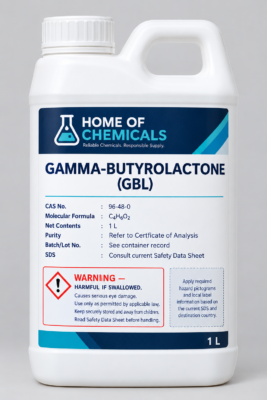
Gamma-butyrolactone is an organic chemical used in certain industrial and chemical-processing contexts. Understanding its identity requires more than recognising its commercial name. Businesses should review reliable technical documentation to confirm the identity, specifications, and relevant characteristics of the particular material they are evaluating.
Chemical information should always be considered alongside the intended application and applicable safety requirements. Different products can have different compositions, handling requirements, and regulatory obligations, so a product description alone is not enough to determine suitability.
Companies should also ensure that employees understand the relevant precautions and follow the instructions provided in the product’s safety data sheet.
Understanding Gamma-Butyrolactone Products
The phrase gamma-butyrolactone products can appear in searches by businesses seeking chemical information, product documentation, or guidance on industrial procurement.
When evaluating a chemical product, buyers should establish its identity, review the manufacturer’s documentation, and confirm that the intended application complies with relevant laws. They should also consider storage, transport, workplace handling, and disposal requirements.
A responsible procurement process should include the following checks:
Product identification: Confirm the chemical identity using reliable documentation.
Technical information: Review the available specifications and safety data sheet.
Supplier verification: Check the supplier’s credentials and relevant authorisations.
Legal compliance: Confirm that the proposed transaction and intended application are lawful.
Workplace safety: Ensure appropriate training and protective measures are in place.
Recordkeeping: Maintain the records required by applicable regulations.
These steps help businesses evaluate chemical materials responsibly rather than relying solely on advertising claims.
Why Supplier Verification Matters
Choosing an industrial chemical supplier requires careful evaluation. A professional supplier should provide accurate product information, relevant safety documentation, and clear information about applicable requirements.
Businesses should verify claims concerning licences, certifications, product specifications, and regulatory approvals rather than accepting them without supporting evidence.
Supplier verification is especially important when dealing with chemicals that are subject to additional controls. Companies should establish whether the supplier is authorised to conduct the relevant transactions and whether the purchaser meets the applicable requirements.
For businesses evaluating Home of Chemicals, the company’s published information should accurately describe its services, documentation, and verifiable compliance credentials.
The Importance of Chemical Safety Documentation
Chemical safety data sheets documentation helps businesses understand the potential hazards associated with a material and the precautions required when handling it.
A safety data sheet typically provides information about hazards, safe handling, storage, emergency measures, and disposal. Businesses should consult the documentation applicable to the actual product rather than assuming that information about one chemical or formulation automatically applies to another.
Employers should also ensure that relevant personnel receive appropriate training and understand workplace procedures.
Good documentation practices can help organisations maintain consistent safety procedures, support regulatory compliance, and improve communication between purchasing departments, suppliers, and employees.
Regulatory Compliance and Responsible Procurement
Chemical regulations differ across countries and may depend on the substance, the transaction, the parties involved, and the intended application.
In the United States, businesses should consult the relevant requirements of the Drug Enforcement Administration and other applicable authorities when evaluating transactions involving GBL. Requirements in other jurisdictions may differ.
Companies should not assume that a chemical is unrestricted simply because a product description refers to industrial cleaning, manufacturing, or solvent applications.
Before entering into a transaction, businesses should verify the applicable legal requirements, purchaser eligibility, supplier authorisations, recordkeeping obligations, and transport restrictions.
Where the requirements are unclear, qualified regulatory or legal advice can help a business understand its responsibilities.
Responsible procurement involves confirming that both the product’s intended use and the transaction comply with the applicable rules.
How Businesses Can Evaluate Chemical Suppliers
A structured evaluation process can help purchasing departments make informed decisions when considering industrial chemical suppliers.
Documentation: Does the supplier provide accurate product information and appropriate safety documentation?
Transparency: Are the product identity, relevant specifications, and limitations clearly explained?
Credentials: Can claims about licences and authorisations be independently verified?
Communication: Does the supplier respond clearly to legitimate technical and compliance questions?
Traceability: Are appropriate records available to support product identification and transaction monitoring?
Safety procedures: Can the business establish suitable procedures for the lawful handling, storage, and disposal of the material?
Considering these factors helps businesses evaluate suppliers based on reliability, documentation, and compliance rather than price or marketing claims alone.
Frequently Asked Questions
What is gamma-butyrolactone solvent?
Gamma-butyrolactone, commonly abbreviated as GBL, is an organic chemical associated with certain industrial applications. Its use and distribution may be subject to specific regulatory controls.
What should businesses know about gamma-butyrolactone products?
Businesses should understand the product’s chemical identity, technical documentation, safety requirements, intended application, and applicable legal obligations.
Why is supplier verification important?
Supplier verification helps businesses confirm the reliability of product information and determine whether the supplier has the appropriate credentials and authorisations for the proposed transaction.
Are GBL solvent and GBL cleaner interchangeable terms?
Not necessarily. A search term or commercial description does not establish a product’s composition, intended application, or suitability. Businesses should consult the documentation for the specific product.
Why are safety data sheets important?
Safety data sheets provide important information about chemical hazards, handling precautions, storage, emergency response, and disposal. Businesses should make relevant documentation available to personnel who need it.
Conclusion
Understanding gamma-butyrolactone products requires careful attention to chemical identification, supplier documentation, workplace safety, and regulatory compliance.
For businesses evaluating industrial chemicals, responsible procurement begins with reliable information and appropriate verification. Reviewing technical documentation, confirming supplier credentials, and understanding applicable regulations can help organisations make better-informed decisions.
