
GBL Wheel Cleaner
Things You should Know About GBL (Gamma-Butyrolactone)
GBL solvent, also known as gamma-butyrolactone, is a chemical solvent used in a range of industrial, manufacturing, laboratory, and cleaning applications. It is a clear, colorless liquid with useful solvent properties and is known for its ability to dissolve a variety of organic substances.
Because GBL is regulated in many countries and jurisdictions, its sale, possession, transportation, and use may be subject to specific legal requirements. Businesses considering GBL solvent should therefore verify applicable regulations and source the chemical through appropriate, licensed and compliant channels.
This article explains what GBL is, its legitimate industrial applications, how it relates to cleaning products, and what buyers should consider when sourcing gamma-butyrolactone products.
What Is GBL Solvent?
GBL stands for gamma-butyrolactone. It is an organic compound commonly identified by the CAS number 96-48-0. GBL is classified as a lactone and is widely recognized for its strong solvency and ability to interact with many organic compounds.
As a GBL solvent, it can be used in industrial formulations where effective solvency is required. Its physical and chemical characteristics make it useful in certain cleaning, coating, processing, and manufacturing applications.
GBL should not be confused with ordinary household cleaning products. Commercial and industrial use requires appropriate handling, storage, labeling, and regulatory compliance.
For businesses purchasing gamma-butyrolactone, the appropriate grade and specification will depend on the intended legitimate application.
What Is GBL Used For?
The uses of GBL vary depending on the industry, formulation, and applicable regulations. Some legitimate industrial applications involve its solvent properties.
1. Industrial Solvent Applications
One of the primary characteristics of GBL solvent is its ability to dissolve various organic materials. This makes it useful in selected industrial processes where a strong solvent is required.
Depending on the formulation and application, GBL may be encountered in chemical manufacturing, industrial processing, specialty formulations, and other professional environments.
Businesses should always consult the relevant technical documentation and applicable regulations before selecting GBL for an industrial process.
2. Cleaning and Degreasing Applications
GBL can be used as a solvent in certain professional cleaning and degreasing formulations. Its solvency characteristics can make it useful for removing particular residues, coatings, oils, and other substances from suitable industrial surfaces.
However, the suitability of GBL for a specific cleaning application depends on factors such as the material being cleaned, formulation, concentration, workplace requirements, and local regulations.
This is why industrial users should evaluate the complete formulation rather than assuming that a solvent is suitable for every cleaning task.
What Is GBL Wheel Cleaner?
The term GBL wheel cleaner is sometimes used to describe a cleaning formulation containing GBL or a solvent-based wheel-cleaning product associated with GBL.
Wheel-cleaning formulations may be designed to remove difficult contaminants from suitable surfaces. However, the exact formulation is important because different wheel finishes and materials can react differently to solvents and cleaning chemicals.
A professional cleaning product should therefore be used according to its technical documentation and manufacturer instructions.
When selecting a wheel-cleaning chemical, businesses should consider:
– The material and finish of the wheel
– The type of contamination being removed
– The chemical compatibility of the surface
– Required protective equipment
– Ventilation requirements
– Applicable environmental and workplace regulations
– Product safety documentation
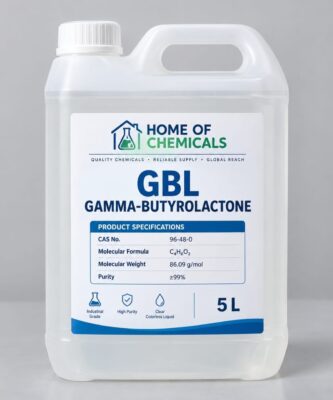
GBL and Gamma-Butyrolactone Products
The phrase gamma-butyrolactone products can refer to different commercial or industrial products containing or relating to gamma-butyrolactone.
Not every product described using the term GBL has the same specification, purity, formulation, or intended application. Buyers should therefore examine product documentation carefully.
Important information may include:
– Chemical name
– CAS number
– Purity or concentration
– Grade
– Safety Data Sheet (SDS)
– Certificate of Analysis (COA), where applicable
– Packaging specifications
– Storage requirements
– Intended industrial application
– Regulatory classification
Is GBL Legal?
The legal status of GBL varies considerably between countries and can depend on concentration, intended use, quantity, purchaser, and other circumstances.
GBL is regulated in a number of jurisdictions because it can be chemically related to substances that are subject to drug-control laws. Consequently, businesses should not assume that rules applying in one country automatically apply elsewhere.
Before purchasing or importing GBL solvent, customers should verify the requirements applicable to their location and intended legitimate use.
A responsible supplier should also maintain appropriate documentation and follow applicable requirements for sales, shipping, labeling, record keeping, and customer verification where required.
What Should Businesses Consider Before Buying GBL?
Businesses looking for GBL should approach chemical sourcing as a supplier-due-diligence process rather than simply searching for the lowest price.
A legitimate commercial buyer should consider several factors.
Supplier Credentials
Check whether the supplier is properly established and authorized to supply the chemical in the relevant jurisdiction.
Where licensing or regulatory authorization is required, businesses should verify that the supplier can provide appropriate evidence.
Product Documentation
Professional chemical buyers should request relevant documentation such as an SDS and, where appropriate, a COA.
These documents help buyers understand the product specification, handling requirements, hazards, and quality characteristics.
Packaging and Storage
GBL should be packaged and stored according to applicable chemical-handling requirements.
The correct packaging can depend on quantity, transportation requirements, storage conditions, and local regulations.
Regulatory Compliance
Before placing an order, businesses should determine whether purchasing, importing, possessing, or using GBL requires authorization or additional documentation in their jurisdiction.
This is particularly important for international transactions.
What Does “GBL for Sale” Mean?
People searching online for GBL for sale may have very different reasons for looking for the chemical. Commercial buyers should distinguish legitimate industrial sourcing from offers that do not provide appropriate product documentation or regulatory information.
A responsible chemical supplier should focus on legitimate commercial applications and comply with applicable laws and regulations.
Before purchasing, buyers can ask:
1. What is the chemical specification?
2. Is an SDS available?
3. Is a COA available where applicable?
4. What grade is being supplied?
5. What packaging options are available?
6. What regulations apply to the transaction?
7. Is the supplier authorized to supply the product?
8. Are customer verification or end-use requirements applicable?
These questions can help businesses identify suppliers that take chemical compliance seriously.
Why Product Quality Matters
For industrial applications, chemical quality can influence performance, consistency, and process reliability.
A buyer should avoid evaluating a chemical solely by its advertised name or price. Two products described as GBL may differ in specification, purity, packaging, documentation, and suitability for a particular industrial application.
For this reason, professional buyers should compare technical specifications and documentation before making a purchasing decision.
A reputable supplier should be able to provide clear information about the product being offered and the conditions that apply to its sale.
Responsible Handling of GBL Solvent
GBL should be handled as an industrial chemical and according to its Safety Data Sheet and applicable workplace requirements.
Users should pay attention to appropriate personal protective equipment, ventilation, storage, spill-response procedures, and disposal requirements.
The precise controls required depend on the application, quantity, workplace, and local regulations.
Businesses should ensure that employees handling the chemical have access to appropriate safety information and training.
GBL Solvent for Industrial Buyers
For companies using specialty solvents, GBL may have applications where its solvency characteristics provide a useful function within an approved industrial process.
However, selecting a chemical should always begin with the application rather than the chemical name alone.
A business should identify the technical requirements of its process, determine whether GBL is legally permitted for that application, review compatibility and safety information, and then select an appropriate supplier.
This approach can reduce the risk of purchasing a product that is unsuitable for the intended process or that cannot legally be imported, stored, or used.
Choosing a Responsible GBL Supplier
When sourcing GBL solvent, supplier transparency is an important consideration.
A professional supplier should provide clear product information and explain relevant regulatory requirements. Depending on the jurisdiction and transaction, the supplier may need to verify customers, intended use, licensing, or other information before completing a sale.
For HomeofChemicals.com, your supplier page can emphasize licensed and compliant chemical supply, transparent product information, appropriate documentation, and responsible customer verification.
Frequently Asked Questions
What does GBL stand for?
GBL stands for gamma-butyrolactone. It is an organic chemical commonly identified by CAS number 96-48-0 and is used as a solvent in certain industrial applications.
What is GBL solvent used for?
GBL solvent is used in selected industrial, chemical-processing, cleaning, and manufacturing applications because of its solvency properties. The suitability of GBL depends on the specific application and applicable regulations.
Is GBL wheel cleaner a specific chemical?
Not necessarily. GBL wheel cleaner can refer to a cleaning formulation associated with GBL. The actual formulation, concentration, intended surfaces, and safety requirements should be confirmed from the product documentation.
What are gamma-butyrolactone products?
The term gamma-butyrolactone products can refer to commercial or industrial products containing or based on gamma-butyrolactone. Specifications and intended uses can differ, so buyers should review technical documentation.
Can I buy GBL online?
Yes but online availability does not mean that a purchase is automatically legal. GBL for sale may be subject to licensing, customer verification, import restrictions, record keeping, or other requirements depending on the jurisdiction and intended use.
What documentation should I request when purchasing GBL?
Depending on the transaction, buyers may request an SDS, COA, product specification, packaging information, and relevant regulatory or supplier documentation.
Conclusion
GBL, or gamma-butyrolactone, is a versatile industrial chemical with solvent properties that can make it useful in selected manufacturing, processing, and cleaning applications. GBL solvent should nevertheless be treated as a regulated chemical in jurisdictions where applicable restrictions exist.
Businesses considering gamma-butyrolactone should focus on product specifications, documentation, safe handling, regulatory requirements, and supplier credentials rather than simply searching for GBL for sale.
Whether the intended application involves industrial solvent use, specialty cleaning formulations, or other legitimate commercial processes, responsible sourcing and compliance should remain central to the purchasing process.
For professional buyers, working with a licensed and compliant supplier can help ensure that the chemical is supplied with appropriate information and in accordance with applicable requirements.
[INTERNAL LINK HERE: Final link to your main GBL solvent page using the anchor text “GBL solvent”.]